Why Your Home Blood Pressure Numbers Might Be Wrong
A practical guide to measuring blood pressure at home correctly, avoiding common mistakes that skew the numbers.
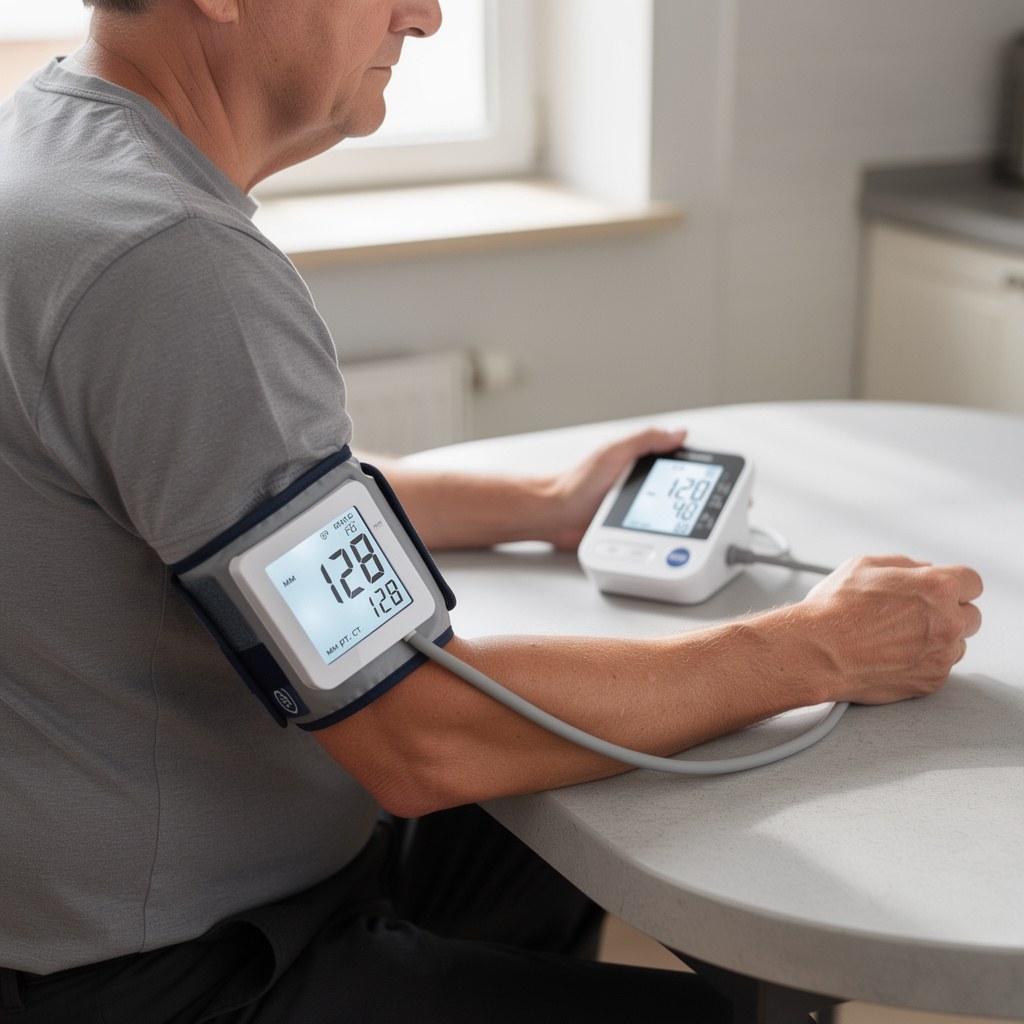
You wrap the cuff around your arm, press the button, and get 142/91. Ten minutes later, same arm, same chair: 128/84. Nothing about your body changed that fast — the way you measured probably did.
Home blood pressure monitors are accurate machines, but the numbers they produce depend heavily on technique. A 2017 review found that improper positioning alone can shift readings by 10 to 15 points in either direction, which is enough to turn a normal result into a false diagnosis of hypertension, or the reverse.
Why the Numbers Jump Around
Blood pressure naturally fluctuates throughout the day. It rises after coffee, after climbing stairs, during a stressful phone call, and even from a full bladder.
A single reading is a snapshot, not a trend. That's why clinicians increasingly rely on multiple home readings over several days rather than one number from an office visit.
The catch is that home readings are only useful if the conditions are consistent. Measuring once slouched on the couch and once sitting upright at a desk gives you two different data sets pretending to be the same measurement.
Getting the Setup Right
Cuff size matters more than most people realize. A cuff that's too small for your arm can inflate readings by 10 points or more; one that's too large can lower them artificially.
Most adult cuffs are labeled for arm circumference between 22 and 42 centimeters — measure your upper arm with a tape measure and check the label before assuming your cuff fits. If you're at the edge of that range, buy a size that matches your measurement rather than guessing.
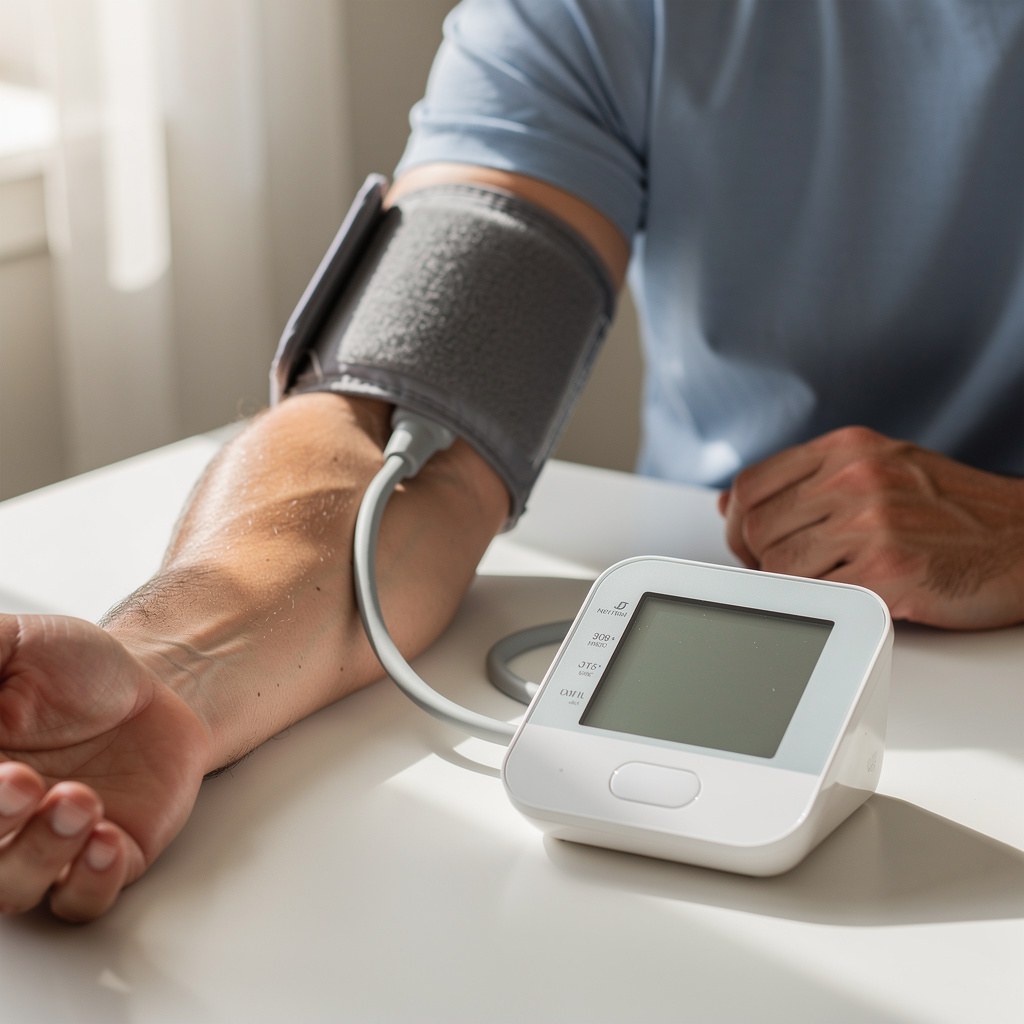
Position matters just as much. Sit with your back supported, feet flat on the floor, and the cuffed arm resting on a table so it sits at roughly the same height as your heart. Crossed legs alone can add 2 to 8 points to the systolic number.
The Five-Minute Rule
Rest quietly for five minutes before taking a reading — no talking, no scrolling on your phone, no getting up to grab water halfway through. Talking during measurement can raise systolic pressure by 10 points or more.
Avoid caffeine, nicotine, and exercise for at least 30 minutes beforehand. Also skip the reading if you urgently need a bathroom break; a full bladder is a surprisingly common cause of inflated numbers.
Take two readings one minute apart and record both, along with the average. If they differ by more than 10 points, take a third and average all three.
Reading the Numbers Correctly
Do this twice a day — once in the morning before medication or breakfast, once in the evening — for five to seven days before drawing conclusions. A single high reading rarely means anything on its own.
For most adults, home readings that average below 130/80 mmHg are considered within a normal range, while a sustained average above that over a week is worth discussing with a doctor. Home devices often read slightly lower than clinic measurements, partly because clinical visits carry their own stress response, sometimes called white-coat effect.
Write the numbers down or use the monitor's memory function. Bringing a week of consistent data to an appointment is far more useful than one anxious reading taken in a waiting room.
When to Call Your Doctor
A single very high reading — above 180 systolic or 120 diastolic — paired with symptoms like chest pain, shortness of breath, or vision changes needs immediate medical attention, not a wait-and-see approach.
Outside of that emergency threshold, contact your doctor if your weekly average creeps upward over several months, even if no single reading looks alarming. Trends matter more than isolated spikes.
Check your monitor's accuracy once a year by bringing it to a clinic visit and comparing it against the office reading on the same arm, ideally within a few minutes. Batteries weaken over time too, and a low battery can throw off oscillometric monitors before the device even warns you.