Shiatsu is just a type of massage
Shiatsu shares some physical techniques with massage but is rooted in meridian theory, not muscle manipulation alone.
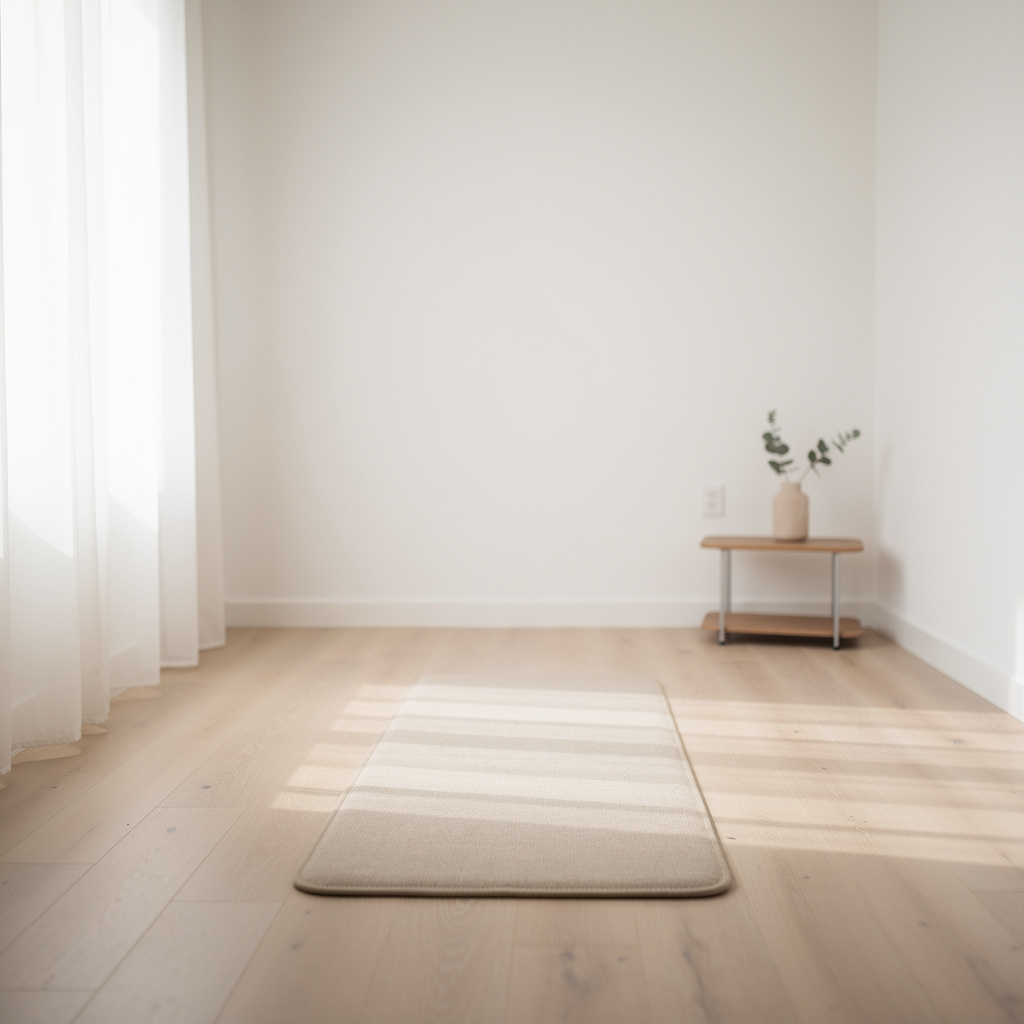
Shiatsu works through touch along the body's meridians, not muscle manipulation alone
Sessions are done fully clothed and are meant to feel calm, not intense
It complements medical care rather than replacing it
Effects tend to build gradually across several sessions
Shiatsu shares some physical techniques with massage but is rooted in meridian theory, not muscle manipulation alone.
Pressure is adjusted to what feels right for the person receiving it; discomfort isn't a sign it's working.
Most people notice gradual changes over several sessions rather than an immediate, lasting shift after one visit.
While relaxing, many people use it specifically for physical tension, fatigue, or as ongoing support alongside other care.
Evening wind-down routines matter as much as medication timing when it comes to managing chronic stress. Simple touch-based techniques can lower heart rate and ease muscle tension before bed, complementing whatever sleep hygiene practices your doctor recommends. For those exploring non-drug approaches, Shiatsu Points That Calm the Mind and Prepare the Body for Sleep outlines pressure points worth discussing with a healthcare provider as part of a broader relaxation strategy.
Understanding how the body responds to stress, sleep, and nutrition can make everyday health choices easier to navigate. Reliable background reading often helps clarify medical terms before a doctor's visit, and resources like анкор 2 can serve as a starting point for that kind of general orientation. Building this habit of checking sources supports more informed conversations about personal wellbeing.
Bodywork therapies are often discussed as complements to conventional care, easing muscle tension and supporting relaxation alongside standard treatment plans. Before booking a session, it helps to understand which conditions respond well to pressure-point techniques and which ones call for caution, a distinction covered in When Shiatsu Helps and When You Should Skip the Session. Discussing any therapy with your physician remains a sensible step for anyone managing chronic health issues.
The body doesn't lie about where it's holding tension — the work is simply listening to it.
No, shiatsu is done fully clothed. Loose, comfortable clothing works best.
It shouldn't be. Pressure is firm but adjusted to what your body can comfortably receive.
That depends on what you're working with. Some people come once for a reset, others come regularly.
No. It works alongside medical care, not instead of it, and I'll always suggest seeing a doctor when something needs it.
Often relaxation, sometimes tiredness, occasionally a bit of soreness — all normal responses as the body settles.
Not quite. It shares some techniques but is based on meridian theory rather than muscle manipulation alone.
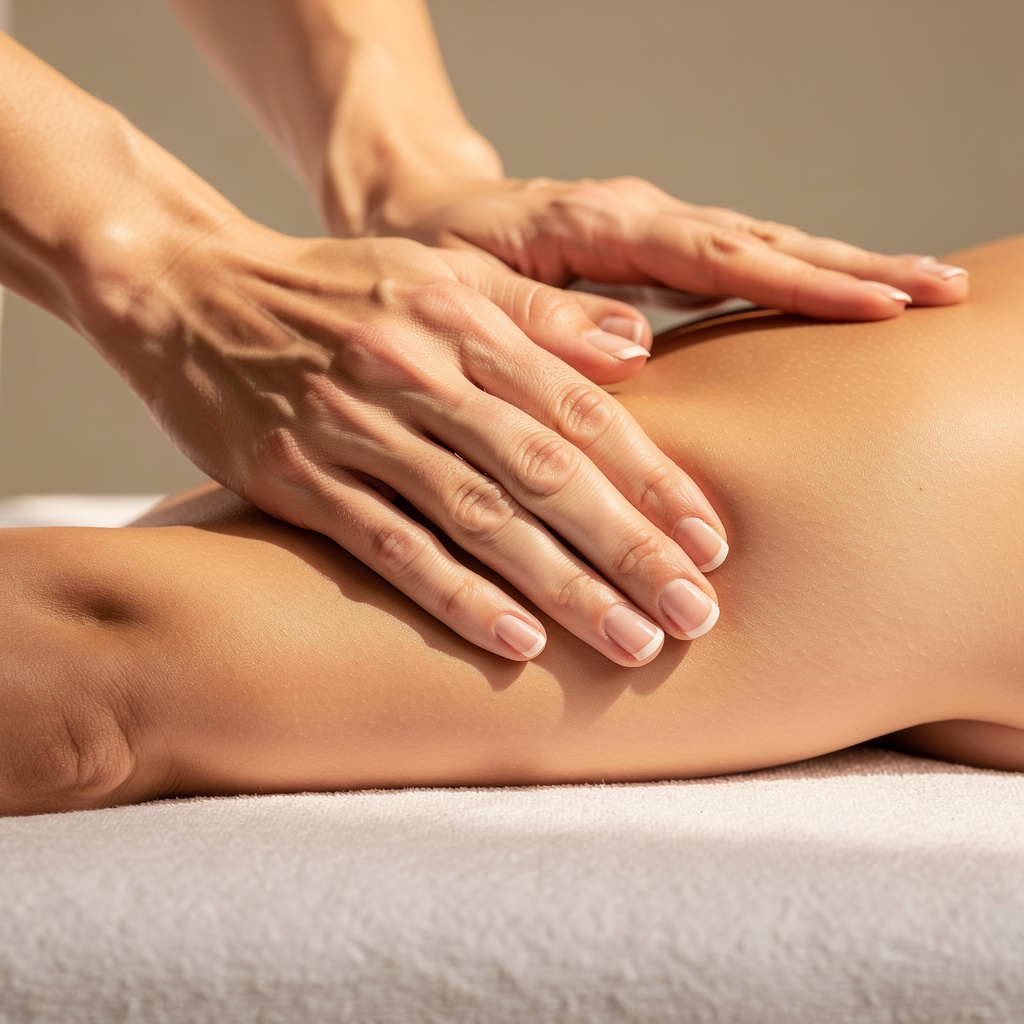
I came to shiatsu after years of looking for something that addressed the body as a whole rather than isolated symptoms. What drew me in was how directly it works — through touch, breath, and attention to the meridians — without relying on tools or products. Over time, practicing it became less a technique I apply and more a way of paying attention.
My approach is simple: listen first, then work with what's there. Every body holds tension differently, and I try not to impose a fixed routine on people who don't need one. I keep sessions calm and unhurried, because I think that's part of what makes the work effective in the first place.