When this helps
When this helps
- People dealing with ongoing physical tension or stiffness
- Anyone looking for a slower, touch-based approach to wellbeing
- Those managing everyday stress or disrupted sleep
- People curious about alternative, non-invasive body therapies
Who it is not for
- Anyone expecting a substitute for diagnosis or medical treatment
- People looking for immediate, dramatic results after one session
- Those uncomfortable with sustained physical touch
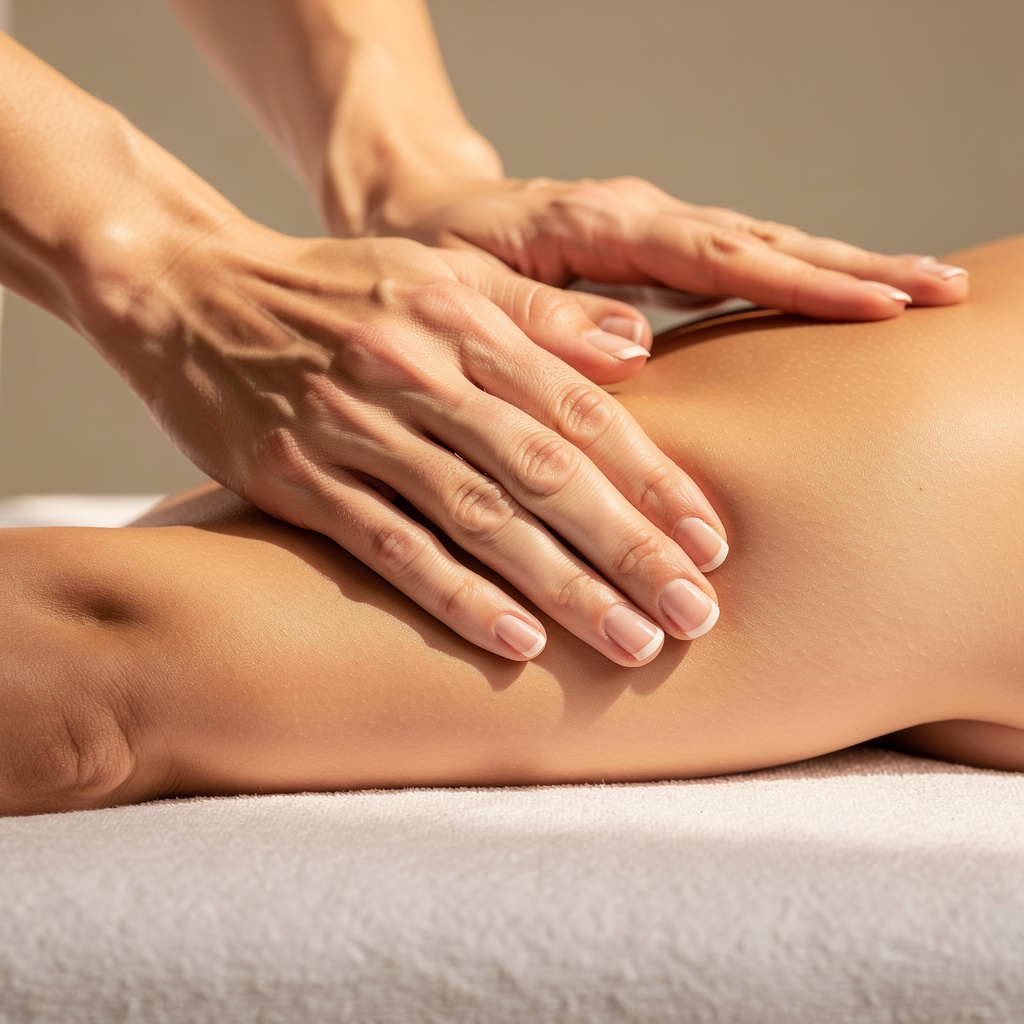
Shiatsu is a traditional Japanese bodywork practice that uses focused finger and palm pressure along the body's energetic meridians to support balance, relaxation, and natural healing. Rooted in centuries-old principles of Eastern medicine, shiatsu works with the body's own rhythms rather than against them, helping to release tension that has settled into muscles, joints, and connective tissue over time.
Our range of sessions is designed to meet different needs, whether someone is seeking relief from chronic tension, recovering from stress, or simply wanting to maintain a sense of physical and mental equilibrium. Each session begins with a conversation about how the body is feeling that day, since shiatsu is never a one-size-fits-all treatment. The practitioner adjusts pressure, pacing, and focus areas based on what the body communicates during the work itself.
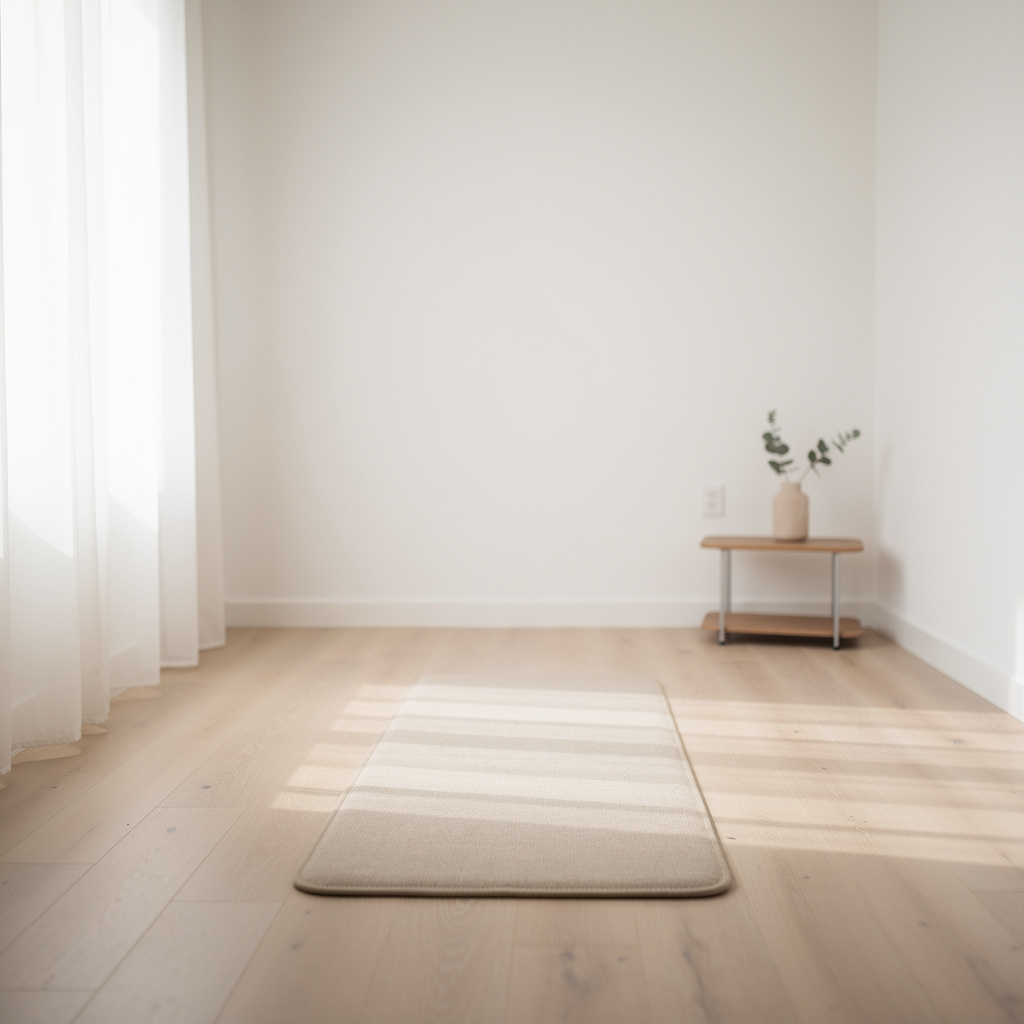
A typical session involves the client lying comfortably on a floor mat or low table, fully clothed in loose, breathable clothing. The practitioner uses thumbs, palms, elbows, and sometimes knees to apply sustained pressure along specific points and pathways. Stretching and gentle joint rotations are often incorporated as well, helping to restore range of motion and encourage the free flow of energy, known in Japanese as ki.
Many people come to shiatsu for its physical benefits, such as easing muscular stiffness, improving circulation, and supporting the nervous system's ability to shift out of a stressed state. Others notice benefits that extend beyond the physical, describing a sense of mental clarity, emotional release, or simply a feeling of being more grounded after a session. Shiatsu does not aim to diagnose or treat specific medical conditions, but rather to support the body's own capacity for balance and self-regulation.
Sessions can be tailored for a wide variety of situations, from general wellness maintenance to addressing specific areas of tension such as the shoulders, lower back, or neck. Some clients choose to come in regularly as part of an ongoing self-care routine, while others visit occasionally when they notice their body asking for extra attention. There is no single right way to use shiatsu, and part of the practitioner's role is helping each person find a rhythm that fits their life.
For those new to shiatsu, it can help to arrive with an open mind and minimal expectations about how the session should feel. Some people experience immediate lightness and relaxation, while others notice the effects unfolding gradually over the following day or two, as the body continues to integrate the work. Wearing comfortable clothing and avoiding a heavy meal beforehand can also help make the experience more comfortable.
Whether this is someone's first encounter with shiatsu or a continuation of a long-standing practice, the goal remains the same: to create space for the body to reset, release, and reconnect with its own sense of balance.
Frequently asked questions
Do I need to undress for a session?
No, shiatsu is done fully clothed. Loose, comfortable clothing works best.
Is shiatsu painful?
It shouldn't be. Pressure is firm but adjusted to what your body can comfortably receive.
How many sessions will I need?
That depends on what you're working with. Some people come once for a reset, others come regularly.
Can shiatsu replace medical treatment?
No. It works alongside medical care, not instead of it, and I'll always suggest seeing a doctor when something needs it.
What should I feel afterward?
Often relaxation, sometimes tiredness, occasionally a bit of soreness — all normal responses as the body settles.
Is shiatsu the same as massage?
Not quite. It shares some techniques but is based on meridian theory rather than muscle manipulation alone.
Our process
You get in touch and describe what's bothering you
We agree on a time and I explain what to expect
You arrive in comfortable clothing
We talk briefly before the session begins
The session takes place on a mat, fully clothed
We talk after, and I suggest what to notice over the coming days
Follow-up sessions are scheduled if useful