Shiatsu Sessions and Services Overview
Shiatsu Sessions and Services Overview — Balance Through Touch
When this helps
When this helps
- People dealing with ongoing physical tension or stiffness
- Anyone looking for a slower, touch-based approach to wellbeing
- Those managing everyday stress or disrupted sleep
- People curious about alternative, non-invasive body therapies
Who it is not for
- Anyone expecting a substitute for diagnosis or medical treatment
- People looking for immediate, dramatic results after one session
- Those uncomfortable with sustained physical touch
This collection brings together the range of shiatsu sessions and related offerings available through our practice, giving you a clear view of the different ways this traditional Japanese bodywork can support your wellbeing. Shiatsu, which translates roughly as 'finger pressure', works through rhythmic pressing and holding along the body's meridians, the energetic pathways described in traditional East Asian medicine. Each session is shaped around the individual, drawing on these principles to help restore balance where tension, stress, or imbalance has accumulated.
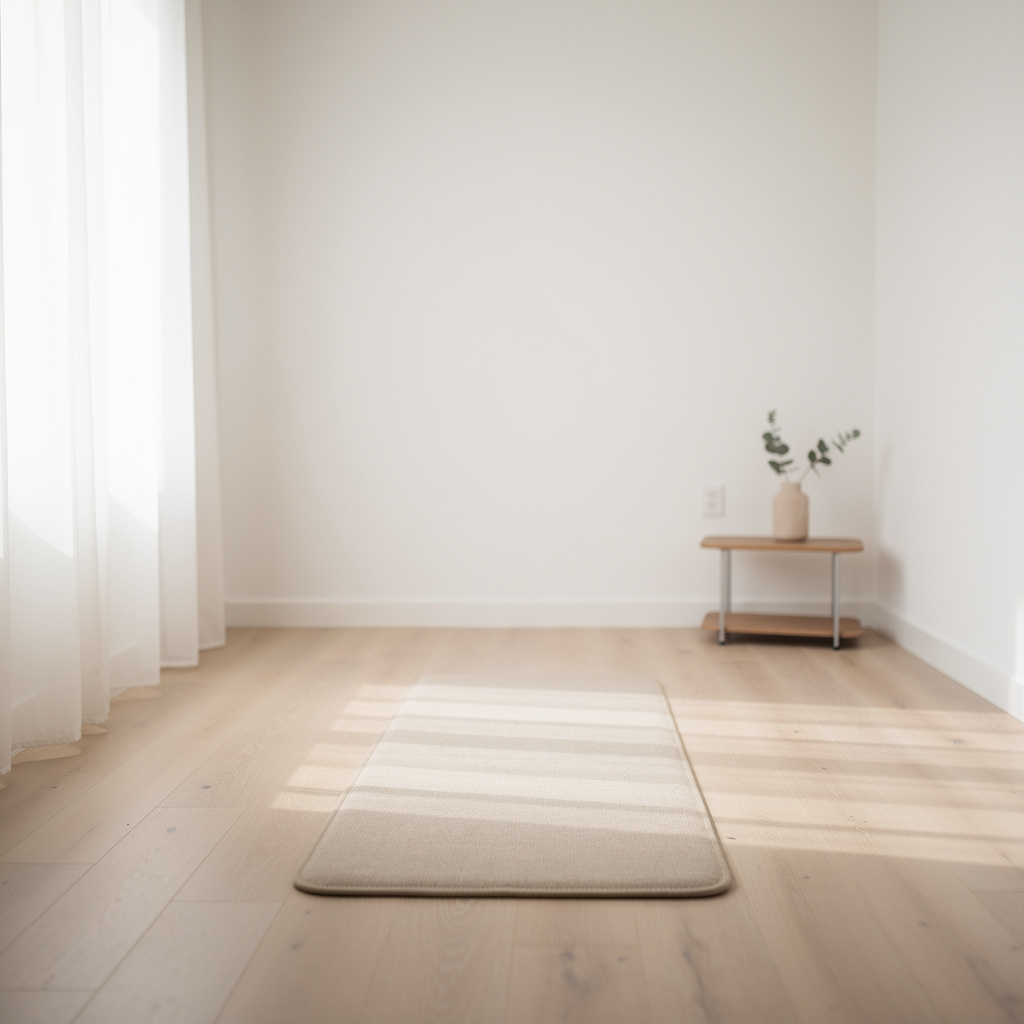
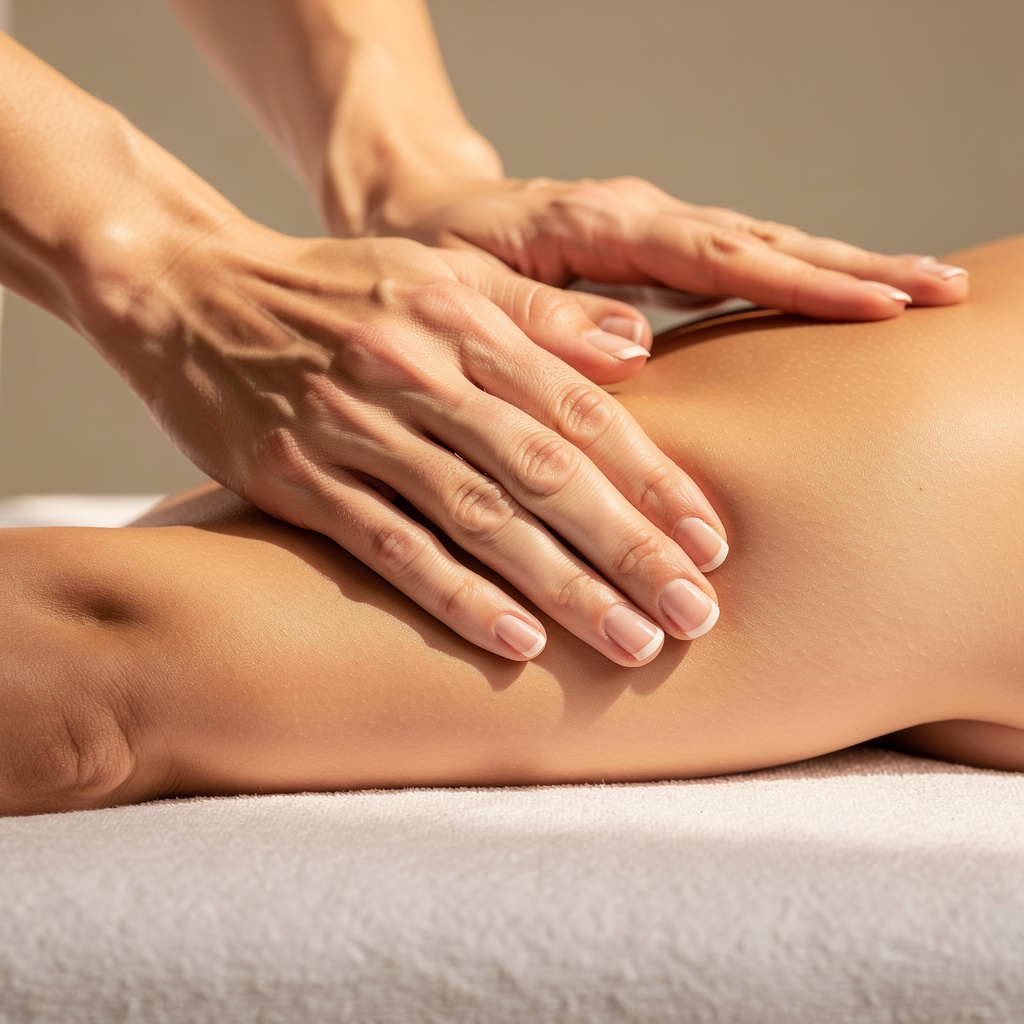
Shiatsu is practiced with the receiver fully clothed, usually lying on a mat or futon on the floor, allowing the practitioner to use palms, thumbs, elbows, and sometimes knees to apply steady, grounded pressure. Rather than working against the body, shiatsu aims to work with its natural rhythms, encouraging the release of physical tightness while also addressing the more subtle, energetic aspects of health. This dual focus on body and energy is part of what distinguishes shiatsu from many Western massage techniques, which tend to concentrate mainly on muscular tissue.
Among the sessions offered are options suited to general relaxation and stress relief, as well as more targeted approaches for those dealing with specific physical complaints such as back pain, stiff shoulders, or fatigue. Some sessions place greater emphasis on the meridian and energy work central to shiatsu's roots, while others blend these principles with a more contemporary, therapeutic approach to bodywork. Whatever the focus, the intention remains the same: to support the body's own capacity for balance and self-regulation.
Many people come to shiatsu not only for relief from physical discomfort but also for its effects on mental and emotional wellbeing. The slow, deliberate nature of the pressure work often has a calming effect on the nervous system, helping to quiet a busy mind and ease the tension that builds up from daily stress. Over time, regular sessions can become part of a broader approach to self-care, complementing other practices such as movement, rest, and mindful attention to one's own body.
Each session listed here reflects a slightly different emphasis or method, but all are grounded in the same foundational principles of shiatsu: attentive touch, respect for the body's energetic pathways, and a holistic view of health that considers the whole person rather than an isolated symptom. Browsing through these options can help you find the approach that feels most relevant to your current needs, whether that's easing physical tension, supporting recovery, or simply carving out space for rest and reflection in a busy life.
If you're new to shiatsu, it can help to think of these sessions not as isolated treatments but as part of an ongoing relationship with your own body. The practitioner's role is to listen, through touch, to what the body is communicating, and to respond with pressure and presence rather than force. This collection is intended as a starting point for exploring what shiatsu offers, and for finding the particular kind of session that resonates with where you are right now.
Frequently asked questions
Do I need to undress for a session?
No, shiatsu is done fully clothed. Loose, comfortable clothing works best.
Is shiatsu painful?
It shouldn't be. Pressure is firm but adjusted to what your body can comfortably receive.
How many sessions will I need?
That depends on what you're working with. Some people come once for a reset, others come regularly.
Can shiatsu replace medical treatment?
No. It works alongside medical care, not instead of it, and I'll always suggest seeing a doctor when something needs it.
What should I feel afterward?
Often relaxation, sometimes tiredness, occasionally a bit of soreness — all normal responses as the body settles.
Is shiatsu the same as massage?
Not quite. It shares some techniques but is based on meridian theory rather than muscle manipulation alone.
How it works
You get in touch and describe what's bothering you
We agree on a time and I explain what to expect
You arrive in comfortable clothing
We talk briefly before the session begins
The session takes place on a mat, fully clothed
We talk after, and I suggest what to notice over the coming days
Follow-up sessions are scheduled if useful