In brief
Shiatsu works through touch along the body's meridians, not muscle manipulation alone
Sessions are done fully clothed and are meant to feel calm, not intense
It complements medical care rather than replacing it
Effects tend to build gradually across several sessions
Key terms
- Meridian A channel through which energy is believed to flow through the body, according to traditional East Asian theory.
- Tsubo A specific point along a meridian where pressure is applied during a session.
- Ki The Japanese term for vital energy, similar to the concept of qi in Chinese medicine.
- Kata A structured sequence of movements or pressure points used as a base technique in shiatsu.
- Hara The abdominal area, considered a center of energy and often assessed at the start of a session.
- Zen shiatsu A style of shiatsu that emphasizes diagnosis through touch and a holistic view of the body's energy.
The body doesn't lie about where it's holding tension — the work is simply listening to it.
When this helps
Who this is for
- People dealing with ongoing physical tension or stiffness
- Anyone looking for a slower, touch-based approach to wellbeing
- Those managing everyday stress or disrupted sleep
- People curious about alternative, non-invasive body therapies
Who it is not for
- Anyone expecting a substitute for diagnosis or medical treatment
- People looking for immediate, dramatic results after one session
- Those uncomfortable with sustained physical touch
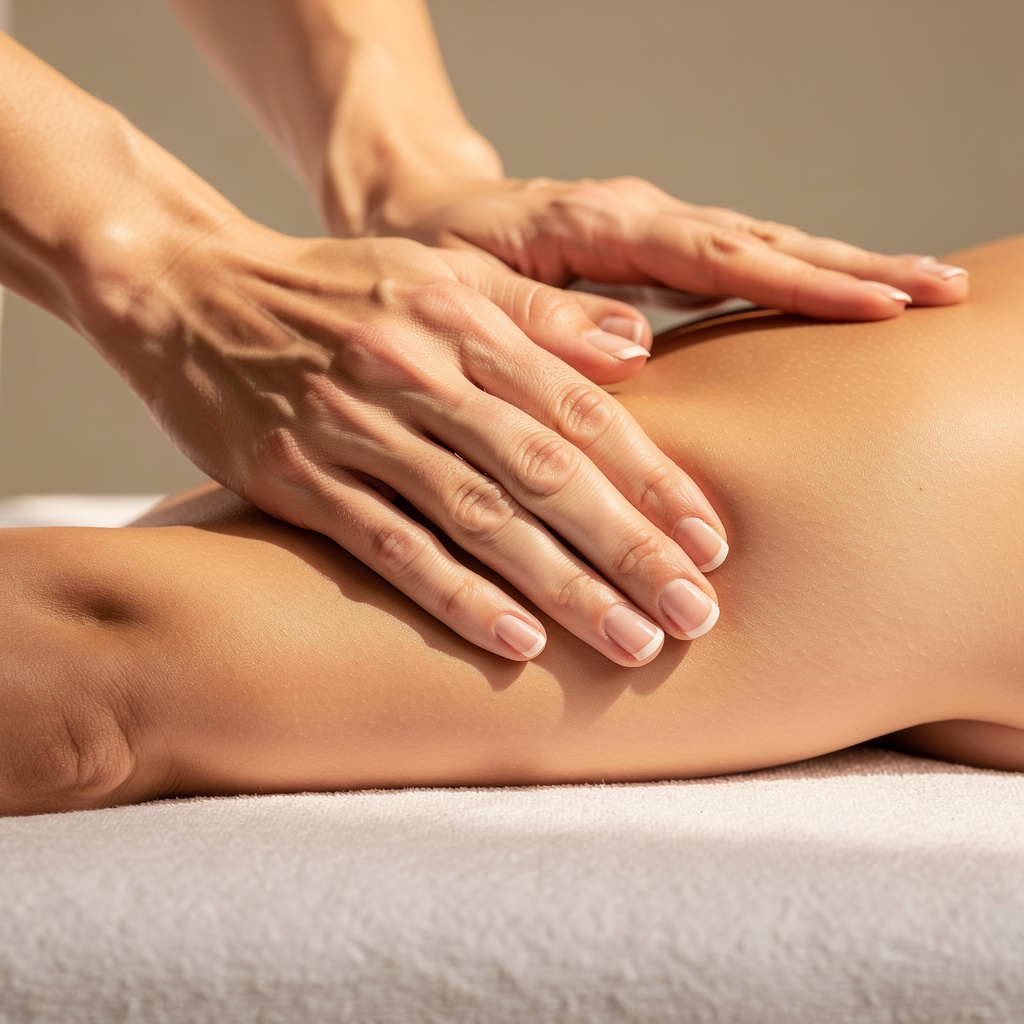
A full body shiatsu session addresses the body as a connected whole rather than focusing on a single area of discomfort. Working along the meridian lines recognised in traditional Japanese bodywork, the practitioner applies sustained finger, palm, and sometimes elbow or knee pressure to release tension held in muscles, joints, and connective tissue. The session moves methodically from the feet and legs through the hips, back, arms, shoulders, neck, and head, allowing each region to be treated in relation to the others rather than in isolation.
This approach is rooted in the idea that physical tension in one part of the body often reflects or contributes to imbalance elsewhere. By covering the entire body rather than a targeted zone, a full session gives the practitioner a clearer sense of where energy flow, known as ki, may be blocked or uneven, and allows adjustments to be made accordingly. Stretching and gentle joint mobilisation are typically included alongside pressure work, helping to improve range of motion and encourage the muscles to release held tension more fully.
Clients receiving a full body session often notice effects that extend beyond the physical, including a calmer state of mind and a sense of grounded relaxation. Because shiatsu is performed through light clothing and does not involve oils, the session can move fluidly between areas without interruption, supporting a continuous rhythm of pressure and release. The pacing is generally slower and more deliberate than in many Western massage styles, with the practitioner pausing at points where tension is more pronounced.
Before the session begins, there is usually a short conversation about any specific concerns, recent physical strain, or areas that feel particularly tight or fatigued. This helps the practitioner adapt the general full body sequence to the individual, spending more time in certain regions while still maintaining the whole-body framework. People arrive for a variety of reasons, from general stress and fatigue to stiffness related to posture, repetitive movement, or physical activity, and the full body format is often chosen when someone wants a broader reset rather than treatment of one isolated symptom.
Following a full body shiatsu session, it is common to feel a mix of relaxation and mild physical awareness, similar to the aftereffects of stretching or light exercise. Some people feel immediately calm, while others notice the effects settling in over the following day. Drinking water and allowing some quiet time afterward is often suggested, as the body continues to respond to the pressure work and adjustments made during the session.